

You’ve tightened every bulb, checked your dimmer switches, but the lights still flicker. It’s frustrating, and it could be a warning sign.
While most people know a loose bulb can cause flickering lights,house lights flickering persistently often point to several hidden culprits that anyone can miss. Some are harmless annoyances, but others pose genuine fire risks that need immediate attention from a licensed electrician.
Quick Answers
Main hidden causes of flickering lights:
- Water damage – Slow leaks near fixtures create intermittent shorts
- Ceiling fan vibration – Unbalanced fans shake connections loose over time
- Renovation disruption – Accidental wire damage or dusty connections from recent building work
- Corroded wiring – Particularly common in older Melbourne homes with outdated electrical systems
- Partial circuit failures – Damaged neutral wires causing voltage imbalances
What Causes Lights to Flicker Beyond the Obvious?
Most articles about flickering lights cover the basics: loose bulbs, incompatible dimmers, overloaded circuits. These are valid causes, but if you’ve ruled them out and your house lights are still flickering, you’re dealing with something less obvious.
These hidden issues often develop slowly, making them harder to spot until they become serious problems. In Melbourne’s older suburbs, where many homes were built before modern electrical standards, these concealed faults are particularly common.
Hidden Cause #1: Water Damage and Moisture
A slow leak in your roof, bathroom, or condensation in walls can seep into electrical connections and create intermittent shorts. The lights might work fine when dry, then flicker when moisture is present.
If your bathroom light flickers only during or after hot showers, condensation could be penetrating the fixture. Melbourne’s wet winters can exacerbate moisture issues in roof spaces and wall cavities.
This isn’t just annoying – it’s dangerous. Water and electricity create fire and shock hazards. If you suspect moisture is causing flickering lights, have both a plumber and a residential electrician investigate. Learn more about electrical risks in older homes.
Hidden Cause #2: Ceiling Fan Vibration
An out-of-balance ceiling fan can gradually loosen electrical connections behind your ceiling. The light might work fine when the fan is off, then flicker when the blades are spinning.
Vibration creates micro-movements in screw terminals and wire connections. Over time, these work themselves loose. The issue worsens if the fan wasn’t properly secured to a ceiling joist during installation.
If your ceiling fan light flickers mainly when running, that’s your clue. The fix might be balancing the blades or tightening hardware, but could require rewiring if connections have degraded.
Hidden Cause #3: Renovation and Construction Disruption
Did the flickering start after you had some work done? Renovations commonly disturb electrical wiring in ways that aren’t immediately obvious. A contractor might accidentally nick a wire while installing new cabinetry, or plaster dust might settle into junction boxes, creating poor connections.
Even small vibrations from heavy construction work can loosen connections that were already marginal. Wall demolition, new ceiling installations, or even just hanging heavy items can damage wiring inside walls. If you notice that lights in specific rooms flicker after renovation work, it’s worth getting an inspection from a home renovation electrician who can trace circuits and check the integrity of the junction box.
Hidden Cause #4: Corroded or Oxidised Connections
In Melbourne’s coastal and bayside suburbs, salt air accelerates corrosion of electrical connections. Even inland, age and moisture cause connections to oxidise. These corroded contacts create resistance in the circuit, which manifests as flickering lights – especially noticeable when electrical load changes.
You won’t see this damage without opening switch plates or junction boxes. The corrosion happens behind walls, and it’s particularly common in homes built before the 1990s. Aluminium wiring, which was used in some Australian homes during the 1960s and 1970s, is especially prone to oxidation issues.
When Flickering Lights Signal Real Danger
Not all flickering lights indicate immediate danger, but some warning signs demand urgent attention. Contact a licensed electrician immediately if you notice:
- Multiple rooms flickering simultaneously
- Flickering accompanied by burning smells
- Warm switch plates or outlets
- Buzzing sounds from switches or outlets
- Flickering that’s progressively worsening
These are legitimate electrical red flags that shouldn’t be ignored. Loose wiring causes arcing, where electricity jumps across gaps, generating extreme heat that can ignite surrounding materials. This is why house lights flickering throughout your home should prompt immediate professional assessment.
How to Prevent Flickering Light Issues
Regular electrical maintenance services catch developing issues early:
- Annual electrical inspections – Particularly important for homes over 20 years old, before they cause house lights flickering
- Address water leaks promptly – Water damage to electrical systems increases fire risk
- Professional ceiling fan installation – Proper mounting prevents vibration-related issues
- Post-renovation electrical checks – Verify circuits weren’t damaged during building work
- Upgrade outdated wiring – Replace aluminium wiring or deteriorating insulation
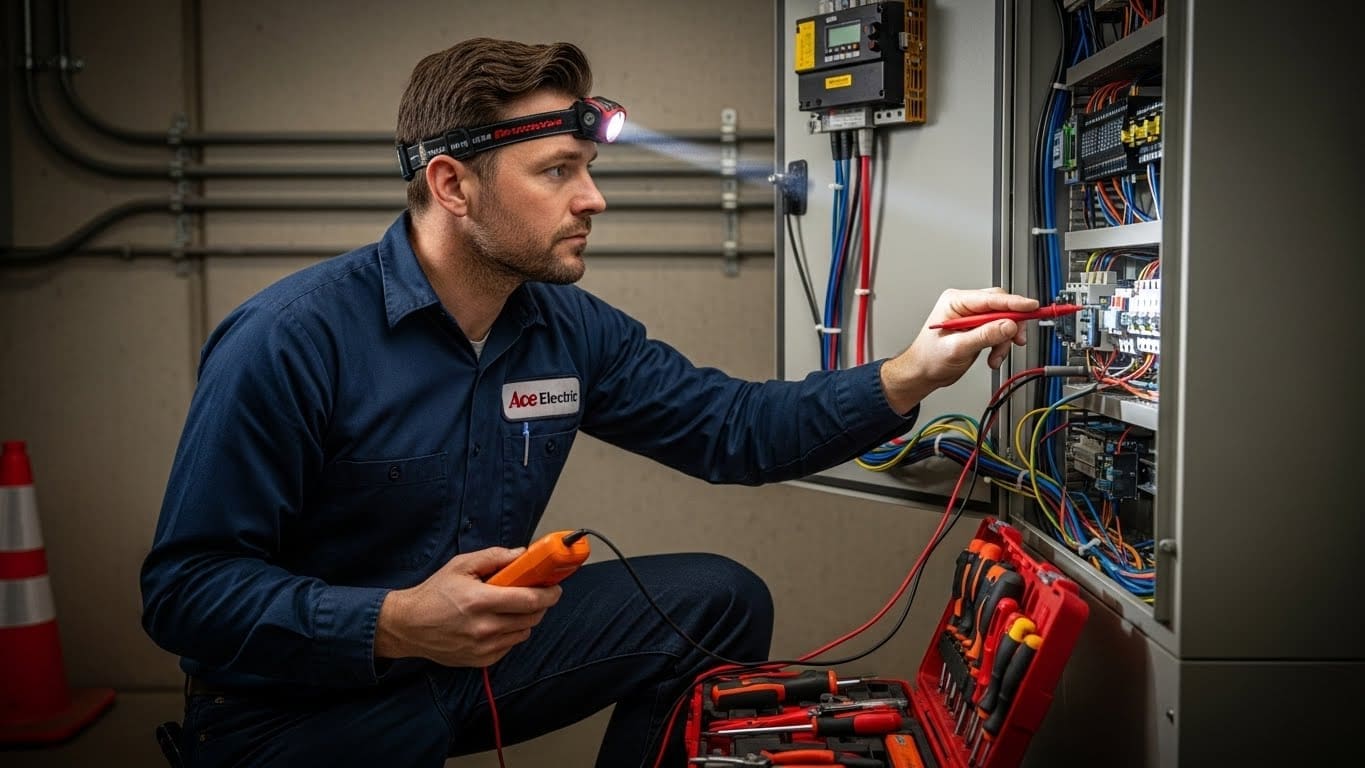
The risks of DIY electrical work are significant. Licensed electricians follow AS/NZS 3000 wiring standards and can safely investigate what causes lights to flicker, even when the problem isn’t visible.
Don’t Ignore Flickering Lights
Flickering lights often signal hidden problems beyond loose bulbs. Water damage, ceiling fan vibration, renovation disruption, and corroded connections require professional diagnosis. While some flickering is harmless, persistent symptoms can indicate serious electrical faults that pose fire risks.
If simple solutions don’t fix your flickering lights, call in the experts. Our team at J3T Electrical has diagnosed and repaired hundreds of mysterious flickering issues across Melbourne.