
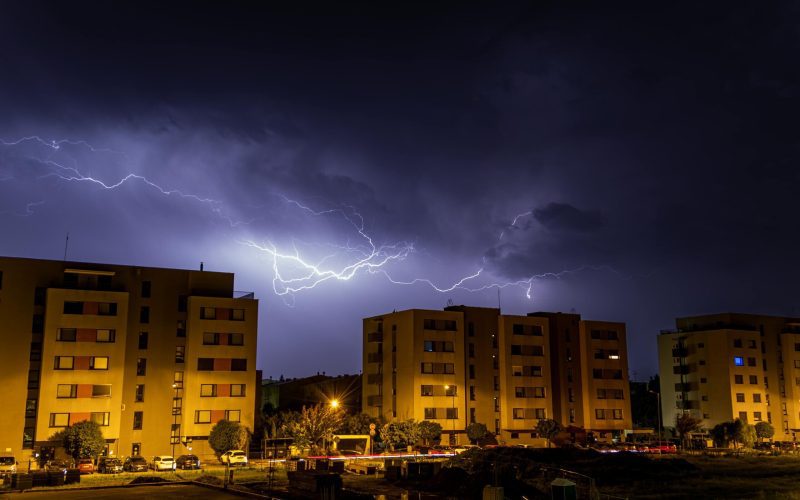
We all know how unpredictable Melbourne’s weather can be and how quickly a thunderstorm can mess with your power. One minute, you’re relaxing at home, and the next, your appliances have tripped, your devices have reset, or worse, your electronics are fried. But weather isn’t the only culprit.
These sudden spikes in electricity, known as power surges, can be caused by a number of things, and they’re more common than you might think. Thankfully, protecting your home from a power surge doesn’t need to be complicated.
With a little knowledge and the right setup, you can avoid costly repairs, lost data, and damaged appliances. Here’s what you need to know.
What Is a Power Surge?
A power surge is a sudden and brief spike in voltage that travels through your electrical system. In Australia, the standard voltage for homes is 230 volts. When a surge hits, the voltage can temporarily rise well above this safe level, potentially damaging anything plugged in at the time.
Surges can come from several sources:
- Lightning strikes (even if they don’t hit your house directly)
- Power outages and grid switching
- Faulty wiring or appliances
- Large devices switching on and off (like fridges or air conditioners)
While some surges are minor and go unnoticed, others can permanently damage TVs, computers, gaming consoles, kitchen appliances, and even solar inverters. That’s where surge protection comes into play.
What Is a Surge Protector?
A surge protector is a device that acts like a bodyguard for your electronics. It detects excess voltage and diverts it away from your devices, preventing it from reaching and damaging them.
There are two types of surge protection:
- Plug-in surge protectors: These look like power boards or wall adaptors and are the most common form used in households.
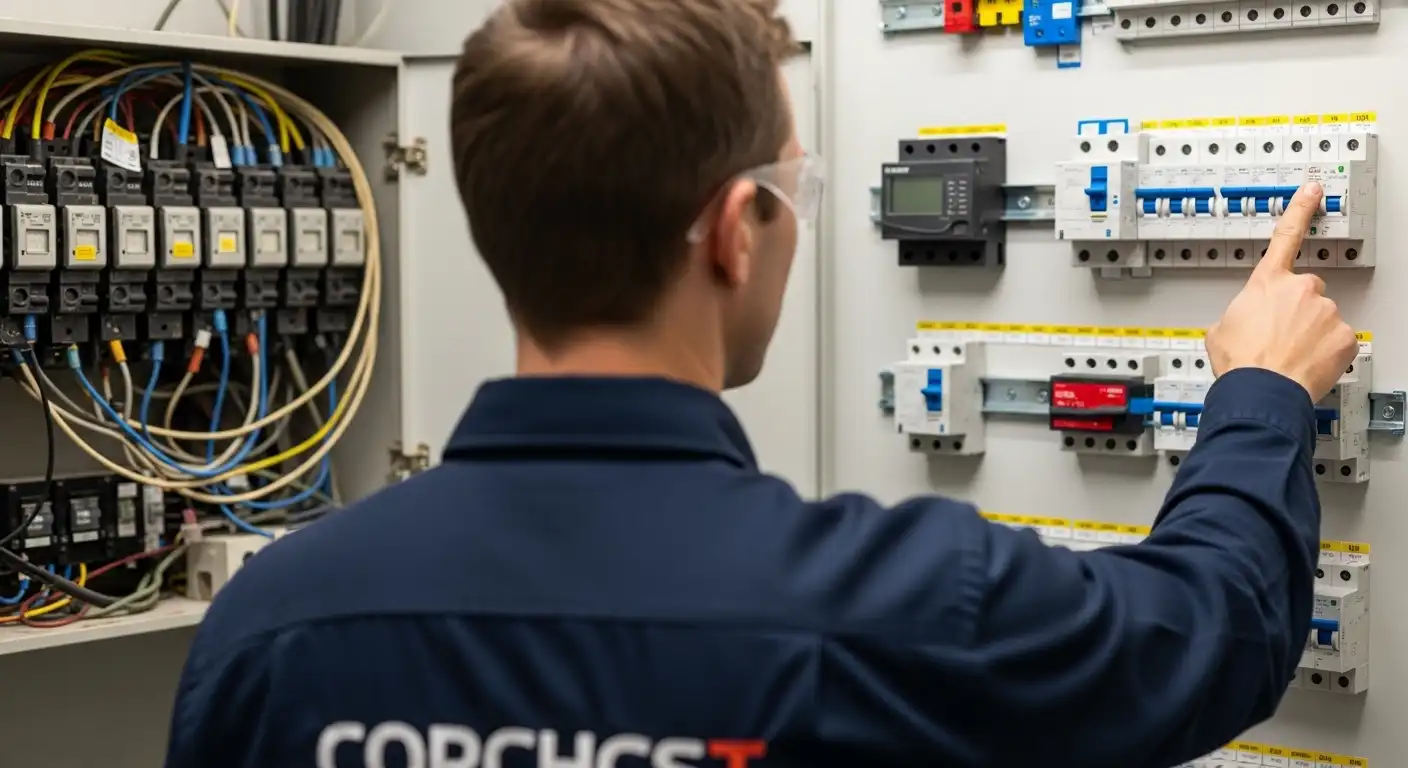
- Whole-house surge protectors: These are installed at your switchboard by a licensed electrician and protect your entire home from external surges, such as those caused by lightning or power grid fluctuations.
Why Do You Need a Surge Protector?
You might be thinking, “Do I really need one?” Here’s why you need a surge protector, especially if you’re in a modern home filled with electronics:
- Modern devices rely on delicate circuitry that doesn’t cope well with sudden voltage spikes.
- Even without a lightning strike, small daily surges can add up over time and gradually wear down your devices.
- Many home insurance policies exclude electrical damage caused by surges, meaning you could be left replacing that $3,000 TV out of pocket.
- As we add more tech to our homes, we also increase the risk. Surge protection is a must for homes with high-tech setups.
Simply put: if it plugs in and costs money, it’s worth protecting.
Best Practices to Protect Your Home from Power Surges
Here’s what you can do to reduce the risk and protect your home:
1. Install a Whole-House Surge Protector
This is your first line of defence. A whole-house surge protector is hardwired into your switchboard and works 24/7 to detect and block external surges. It protects everything in your home, not just what’s plugged into a surge board.
Licensed electricians can recommend the right device and ensure it’s installed to meet Australian safety standards. Think of it as insurance for your entire electrical system.
2. Use Quality Plug-In Surge Protectors
Not all power boards are created equal. Look for boards that specifically state they offer surge protection (not just extra sockets). Use them for:
- Computers and laptops
- TVs and home entertainment systems
- Gaming consoles
- Modems and routers
- Kitchen appliances
Some high-end plug-in surge protectors also include USB ports and indicators to show when they’ve absorbed a surge and need replacing.
3. Unplug Devices During Storms
If you see a storm rolling in, the safest option is still to unplug. Surge protectors help, but they’re not always enough against a direct lightning strike. If you’re home and it’s safe to do so, unplug sensitive electronics from the wall.
4. Avoid Daisy-Chaining Power Boards
Plugging one power board into another (also known as “daisy-chaining”) is a fire and surge hazard. It increases the load on a single circuit and can lead to overheating or short circuits. Always plug surge boards directly into the wall.
5. Check Your Wiring and Switchboard
Old or damaged wiring can increase the risk of surges and electrical fires. If your home is more than 20 years old, or you’ve noticed flickering lights or tripping switches, it’s worth having a licensed electrician in Melbourne inspect your system. They’ll let you know if an upgrade or surge protection is needed.
Protect Your Home with J3T Electrical
Power surges don’t come with a warning, and once they strike, the damage is often costly. Replacing appliances, recovering lost data, and repairing your electrical system can add up quickly. Installing surge protection is a simple, affordable way to prevent all that.
At J3T Electrical, we provide whole-home surge protection and upgrade outdated switchboards to help shield your property from unexpected electrical faults. Our licensed electricians will assess your home, devices, and budget to recommend the best solution for long-term safety.
Already dealing with damage? Our emergency electrician in Melbourne is ready to help.
Whether you need a residential electrician services or a commercial electrician in Melbourne, J3T Electrical has you covered.
Protect what matters most, before it’s too late. Book your electrical maintenance or repair service today.