
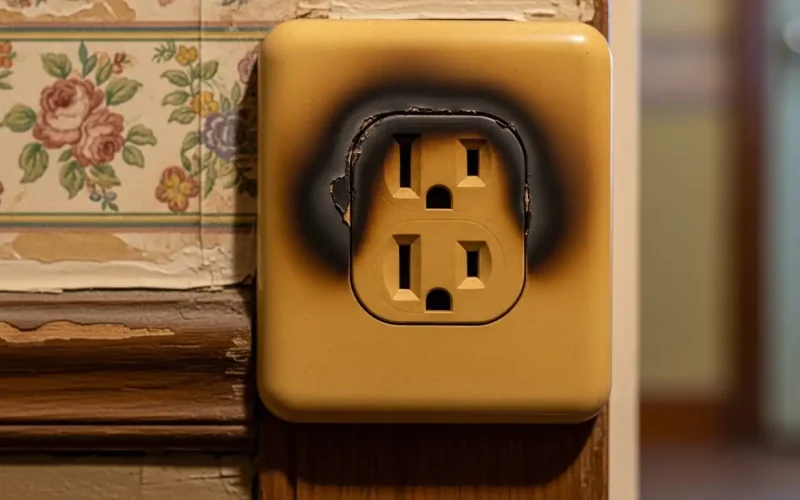
Older homes have plenty of charm, but behind the walls, aging electrical systems can pose serious safety risks. From outdated switchboards to worn-out wiring, it’s not uncommon for older properties to fall short of modern electrical standards.
If you live in or manage an older property, it’s important to know how to spot warning signs and take action early. Whether you’re planning a renovation or simply want peace of mind, understanding how to maintain old electrical systems is the first step toward preventing accidents, outages or costly repairs.
Here’s what to look for, what you can do, and when to bring in a professional.
Why Older Wiring Needs Attention
Many homes built before the 1980s still rely on materials and methods that no longer meet today’s safety codes. Old wiring in houses may include rubber-insulated cables, porcelain fuses, or wiring that’s degraded due to time and wear.
These systems weren’t designed for the power demands of modern life, which can include air conditioners, induction cooktops, and dozens of plugged-in devices.
The more pressure you place on an outdated system, the greater the risk of overheating, short circuits, or even electrical fires. If your home has flickering lights, frequent tripped circuits, or warm power points, these could be signs of a common electrical problem at home caused by aging infrastructure.
Warning Signs to Watch For
Some of the most common red flags in older homes and buildings include:
- Power points that feel warm or make buzzing sounds
- Fuses blowing or circuits tripping regularly
- Discoloured switches or outlets
- A burning smell near outlets or wiring
- Lights dimming when appliances are in use
- Lack of safety switches on your switchboard
If you notice any of these signs, it’s time to speak to a licensed professional. A full electrical maintenance and repair assessment can help identify problems before they become dangerous.
Maintaining Old Electrical Systems Safely
While it’s not always necessary to rip out all existing wiring, knowing how to maintain old electrical systems is key. Routine inspections and targeted upgrades are often enough to bring older systems up to standard.
Here are a few important steps:
- Schedule regular safety inspections with a licensed electrician
- Replace damaged or outdated outlets, switches, and fittings
- Upgrade exposed or cracked cabling
- Keep an eye on circuit load, especially after installing new appliances
- Ensure outdoor lighting or power is weatherproof and protected
A qualified home renovation electrician in Melbourne can assess your property and create a tailored plan if you’re doing larger upgrades or planning to add solar, air conditioning, or a smart home system.
Upgrading the Switchboard Is a Must
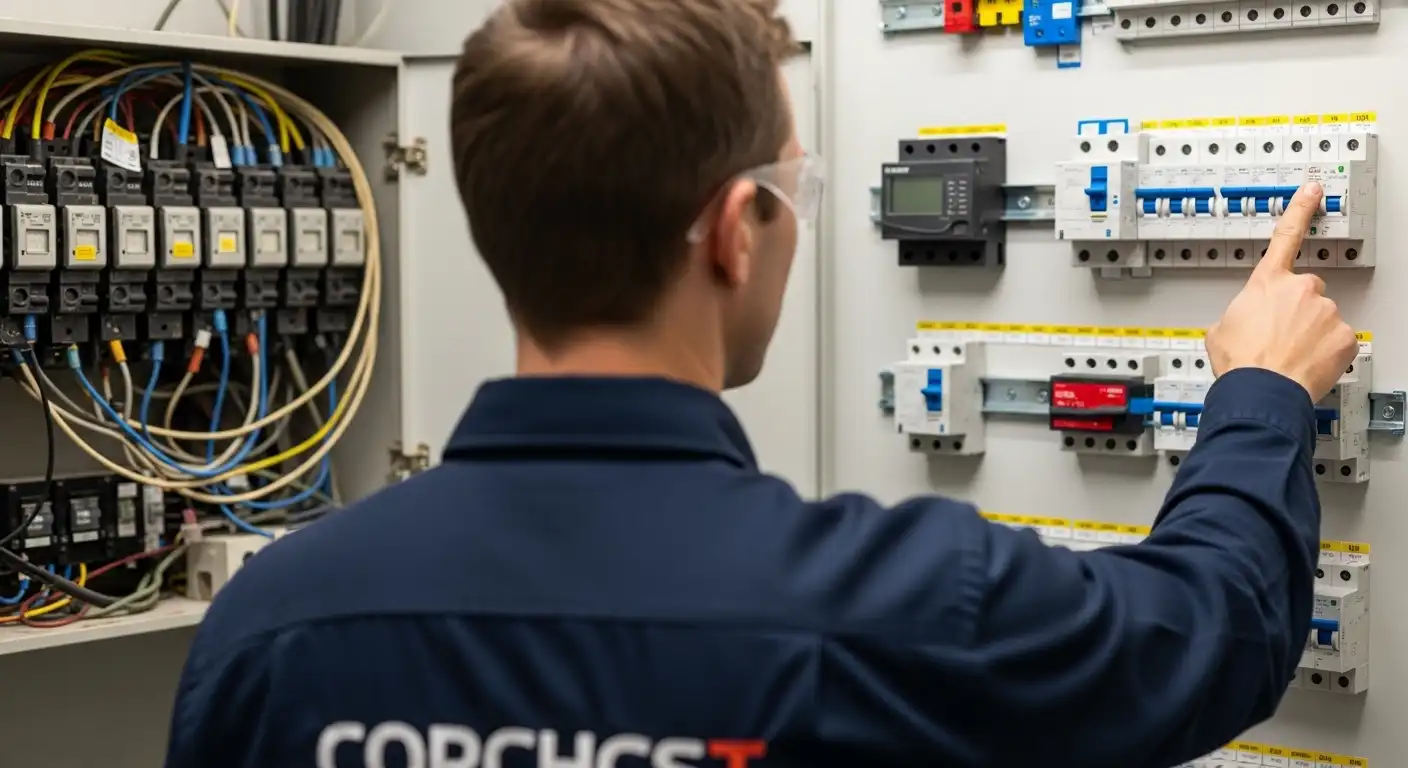
One of the most effective ways to reduce risk in older homes is with a residential switchboard upgrade. Older switchboards often rely on ceramic fuses and lack modern safety switches, which are essential for protecting people from electric shock.
A switchboard upgrade provides more capacity, faster fault detection, and better support for modern appliances. It also ensures your home complies with current safety standards. If you’re unsure what’s behind your fuse box door, an electrician can quickly inspect and advise whether it’s time to upgrade.
The Risks of Ignoring Old Electrical Wiring in Australia
In Australia, electrical safety standards are strict for good reason. Outdated systems not only increase the risk of fire or shock but can also impact your insurance coverage and reduce the value of your home.
Old electrical wiring in Australia is a common issue in inner-city suburbs, regional towns, and heritage properties. If you’ve recently bought a home or are unsure of the last time your system was assessed, it’s worth arranging a professional check-up.
Older homes are especially vulnerable to moisture, rodent damage, and environmental wear, all of which can silently degrade your system over time.
Smart Upgrades for Long-Term Safety
Modernising your electrical system doesn’t mean you have to give up the character of your home. With the right approach, you can protect your property while improving functionality and convenience. That includes:
- Installing surge protection to shield devices
- Adding smart lighting and security systems
- Improving energy efficiency with updated fixtures
- Integrating with a full smart home electrical system
Working With the Right Electrician
When it comes to old wiring, experience matters. Not every electrician is trained to handle the quirks of older systems, which may require careful assessment, safe removal of outdated materials, and strategic upgrades.
If you’re not sure where to start, check out our guide on how to choose an electrician in Melbourne. A good contractor will inspect thoroughly, explain your options clearly, and prioritise both safety and value.
At J3t Electrical, we’ve worked on homes and buildings across Melbourne, from Federation houses to post-war apartments. We know the risks that come with older systems, and we know how to fix them safely, efficiently, and with as little disruption as possible.
Book a Safety Assessment Today
You shouldn’t wait for a blown fuse or a burning smell to take action. If your property is more than 30 years old, or you’re not sure when the last electrical inspection took place, now is the time.
Contact J3t Electrical today to book a safety check or request a quote for a switchboard upgrade. We’re here to help you stay safe, maintain your home’s charm, and make sure your electrical system is ready for whatever comes next.